

Dr. Subramaniam Raman
Internal Medicine, Cardiology
MBBS (Malaya), MRCP (UK), Fellowship in Cardiology (Mal)
Johor Specialist Hospital
KPJ Kluang Specialist Hospital
KPJ Pasir Gudang Specialist Hospital


The KPJ Heart & Lung Excellence Centre is an integrated destination for advanced cardiac and pulmonary care, bringing together the collective strength of the KPJ Health System. At Johor Specialist Hospital, our Excellence Centre unites leading cardiologists, cardiothoracic surgeons, pulmonologists, specialised nurses and allied health professionals to deliver consistent, evidence-based and high-quality care at every stage of a patient's journey.
Designed around coordinated care pathways, multidisciplinary team discussions and rapid-response protocols, the Excellence Centre ensures timely, accurate and patient-centred treatment for both urgent and chronic heart and lung conditions. From early screening and diagnosis to complex interventions, surgery, rehabilitation and long-term follow-up, every step is guided by clinical excellence and a commitment to outstanding patient experience.
With state-of-the-art diagnostics, 24/7 primary Percutaneous Coronary Intervention (PCI) capability, specialised cardiothoracic and vascular surgery services, advanced pulmonary procedures and dedicated rehabilitation teams, the Heart & Lung Excellence Centre supports your full path to recovery. Through nurse navigators, structured clinical pathways and KPJ's "Care for Life" promise, we help patients breathe easier, move confidently and access the right expertise at the right time within the trusted KPJ Health System.
From routine diagnostics to complex surgery — an integrated service across the full spectrum of heart and lung care.
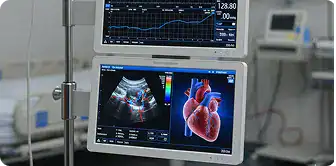
Non-invasive & interventional cardiology, heart failure clinic, electrophysiology & devices

Adult cardiac surgery, minimally invasive procedures, post-operative ICU care

Peripheral artery disease, aneurysm repair, varicose veins, AV fistula creation
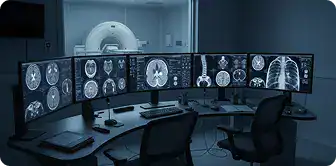
Echocardiogram, stress test, CT coronary angiogram, Holter & ambulatory BP

Supervised exercise, risk-factor control, lifestyle & medication optimisation

Heart healthy living, post-procedure care, device checks and follow-up
Internal Medicine, Cardiology
MBBS (Malaya), MRCP (UK), Fellowship in Cardiology (Mal)

General Surgery, Vascular Surgery
B. Sc. Med (UKM), MD (UKM), M. MED (SURG) (UKM)

Internal Medicine, Respiratory Medicine
MD (UKM), MRCP (London)

Internal Medicine, Cardiology
MBBS (UM), MMed (Int Med) (USM), FNHAM, AM (Mal)

Internal Medicine, Cardiology
MBBS (Malaya), MRCP (Ireland), MRCP (UK), FRCP (Ireland)

Internal Medicine, Respiratory Medicine
MBBS (UM), MRCP (UK)

Cardiothoracic Surgery
MBBS (Mal), MSurg (UKM)

Rehabilitation Medicine
MBBS (UM), MRehabMed (UM)

Internal Medicine, Cardiology
MB BCh BAO, BMedSc (IRE), MRCP (UK), Fellowship in Cardiology

Cardiothoracic Surgery
MD (UKM), FRCS (Edin), Fellowship in Cardiothoracic Surgery (M'sia)

Anaesthesiology & Critical Care
MD (UPM), MMed (Anaesthesiology), Subspeciality in Cardiothoracic Anaesthesia & Perfusion (MOH)

Internal Medicine, Cardiology
MD (UNIMAS), MRCP (UK), FRCP (Edinburgh), FACC (USA), AM (Mal)

Internal Medicine, Cardiology
MBBS (IMU), MRCP Royal College of Physicians (UK), Clinical Fellow
The JSH Heart & Lung Centre of Excellence provides comprehensive care for heart and lung conditions, from early screening and diagnosis to advanced treatment, rehabilitation, and long-term follow-up. Services include heart health screening, diagnostic imaging, 24-hour emergency heart attack treatment (Primary PCI), coronary angiography, cardiothoracic surgery, minimally invasive and structural heart procedures, respiratory diagnostics, lung interventions, sleep studies, and rehabilitation programs. All care is delivered through standardized, evidence-based clinical pathways under the KPJ Academic Health System (AHS).
The JSH Heart & Lung Centre of Excellence provides comprehensive care for heart and lung conditions, from early screening and diagnosis to advanced treatment, rehabilitation, and long-term follow-up. Services include heart health screening, diagnostic imaging, 24-hour emergency heart attack treatment (Primary PCI), coronary angiography, cardiothoracic surgery, minimally invasive and structural heart procedures, respiratory diagnostics, lung interventions, sleep studies, and rehabilitation programs. All care is delivered through standardized, evidence-based clinical pathways under the KPJ Academic Health System (AHS).
Symptoms include persistent cough, wheezing, breathlessness, chest tightness, frequent chest infections, loud snoring, poor sleep quality, or reduced exercise tolerance. Early evaluation helps improve outcomes and quality of life.
Yes. Selected KPJ hospitals provide 24/7 emergency coronary angiography and Primary PCI services. These are supported by standardized emergency pathways to ensure rapid diagnosis, timely treatment, and coordinated care.
Structural heart services include TAVI/TAVR for aortic valve disease, Mitra Clip for mitral valve leakage, ASD/PFO closure, and left atrial appendage closure. Suitability is determined through Multidisciplinary Team (MDT) discussions.
Respiratory services include bronchoscopy, Endobronchial Ultrasound (EBUS), lung biopsies, pulmonary function tests, sleep studies, thoracic surgery, and management of COPD, asthma, and lung cancer.
Heart conditions are assessed using a comprehensive range of cardiac investigations. These include electrocardiogram (ECG), echocardiogram, stress testing, Holter monitoring, coronary angiography, cardiac CT, and cardiac MRI. KPJ has upgraded its imaging capabilities with a 1.5 Tesla Solar Fit MRI, which offers high-quality cardiac imaging with improved patient comfort, shorter scan times, and enhanced diagnostic accuracy for assessing heart structure, function, tissue viability, and complex cardiac conditions.
Tests include pulmonary function tests, chest X-ray, CT scan, bronchoscopy, sleep studies, and EBUS.
Yes. Rehabilitation includes supervised exercise, breathing therapy, lifestyle counselling, medication optimization, and long-term monitoring tailored to individual needs.
KPJ uses a hub-and-spoke model, allowing screening and follow-up at nearby KPJ hospitals while advanced procedures are performed at designated Centres of Excellence, ensuring continuity of care.
Recovery varies by procedure. Most patients stay in hospital for several days, followed by 6 to 12 weeks of rehabilitation and gradual return to daily activities.
Patients usually require a few days of inpatient monitoring, followed by 4 to 8 weeks of recovery supported by breathing exercises and physiotherapy.
An MDT meeting involves cardiologists, surgeons, pulmonologists, nurses, and allied health professionals reviewing complex cases together to recommend the best treatment plan for patients.
Yes. Patients may request second opinions from KPJ specialists to support informed decision-making.
Preparation may include fasting, medication adjustments, blood tests, imaging, and pre-procedure education. A nurse navigator will guide you through the process.
JSH follows internationally aligned protocols, strict safety standards, and MDT governance to ensure safe and consistent care.
Healthy habits include quitting smoking, maintaining a balanced diet, regular physical activity, managing blood pressure and cholesterol, and attending regular medical reviews.
Most diagnostic tests, treatments, and admissions are covered by insurance providers and corporate panels, subject to policy terms.
Appointments can be arranged online, via WhatsApp, or through the JSH Coordination Centre, which also assists with referrals and follow-up care.

Level 2, Azalea block, 39B, Jalan Abdul Samad, Kolam Ayer, 80100 Johor Bahru, Johor Darul Ta'zim