


Restoring Hope, Rebuilding Lives.
Advanced stroke and neurological care with rapid assessment pathways, multidisciplinary specialists, and integrated rehabilitation.
A coordinated pathway and specialist collaboration help ensure timely decisions and consistent quality of care.

Rapid assessment and treatment where every minute matters. Time-to-treatment protocols activate the full stroke team immediately.

Neurology, neurosurgery, ED, radiology, ICU, rehab, pharmacy — every discipline coordinated around each patient.

CT/CTA/CTP or MRI to guide evidence-based decisions. Rapid imaging protocols ensure no time is lost in diagnosis.
Early rehab planning from day one to maximise functional recovery — physio, speech therapy, OT and emotional support.
Specialised care for conditions affecting the brain and nervous system, from emergency response to recovery support.
The Centre of Excellence for Neuroscience & Stroke provides comprehensive care for acute neurological emergencies and long-term neurological conditions. Our teams combine rapid workflows, advanced diagnostics, and coordinated treatment pathways to support better outcomes.
Stroke is a medical emergency. Early recognition and urgent treatment can reduce disability and improve recovery.


A stroke occurs when blood supply to part of the brain is cut off — either by a blockage (ischaemic stroke, ~85% of cases) or a burst blood vessel (haemorrhagic stroke). Brain cells begin to die within minutes, which is why immediate treatment is critical.
Key risk factors include high blood pressure, atrial fibrillation, diabetes, high cholesterol, smoking, obesity, physical inactivity, excessive alcohol use, and prior stroke or TIA. Many of these are manageable with medical treatment and lifestyle changes.
Up to 80% of strokes are preventable. Management includes controlling blood pressure, treating atrial fibrillation, managing diabetes and cholesterol, quitting smoking, maintaining a healthy weight, regular physical activity, and limiting alcohol.
Use BE FAST to identify a stroke. Call emergency services immediately. Note the time symptoms started, as this determines eligibility for clot-busting treatment. Do not give food or water to someone you suspect is having a stroke.
Comprehensive stroke care with rapid assessment, urgent imaging, acute treatment pathways (when eligible), secondary prevention, and rehabilitation support — all delivered through coordinated MDT care from our hub at DSH2.
Our stroke pathway includes hyperacute triage, brain imaging within minutes of arrival, thrombolysis for eligible patients, mechanical thrombectomy via interventional neuroradiology, and structured secondary prevention.
Specialist epilepsy care including EEG, long-term video EEG monitoring, anti-epileptic drug optimisation, and surgical evaluation for drug-resistant epilepsy.
A dedicated movement disorder programme with specialist neurologists, physiotherapists, speech therapists and occupational therapists collaborating to manage symptoms and support independence.
Specialist-led migraine management combining accurate diagnosis, preventive treatment, acute attack management, and lifestyle modification support.
Comprehensive assessment and treatment of vertigo and balance disorders — from BPPV to vestibular neuritis, Ménière's disease, and central causes of dizziness.
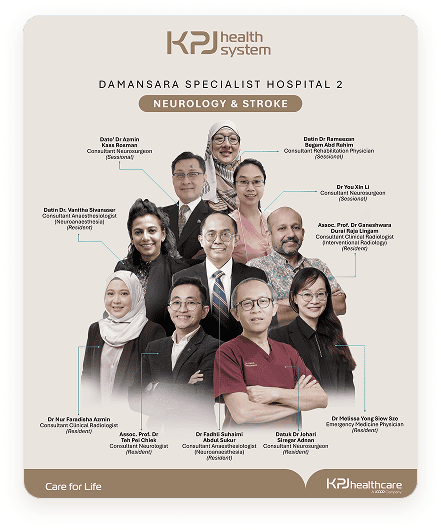
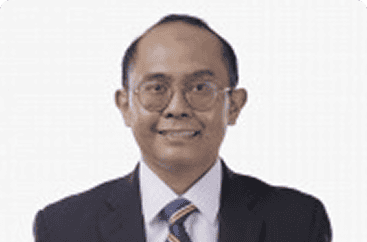
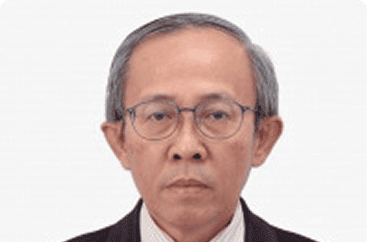
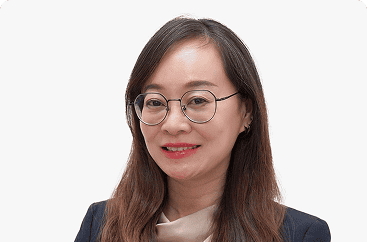
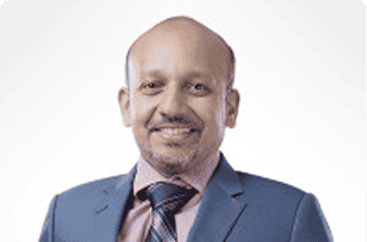
Coordinated care led by specialists across neurology, neurosurgery, emergency medicine, radiology, ICU, and rehabilitation at DSH2.

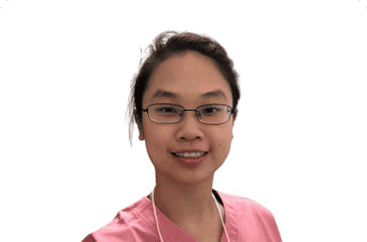
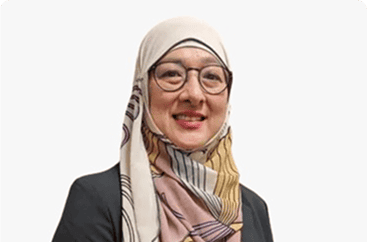
Internal Medicine, Rehabilitation Medicine
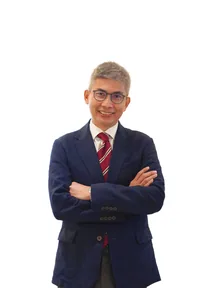
Internal Medicine, Neurology
Rehabilitation is a key part of care — supporting movement, communication, daily activities, and emotional wellbeing.
Our care team is here to guide you. Book a consultation or speak directly with our rehabilitation specialists today.
Book a Rehabilitation Consult Talk to Our Care TeamComprehensive care for acute neurological emergencies and long-term conditions including stroke, epilepsy, Parkinson's, migraine, and vertigo. Services include hyperacute stroke treatment, neurosurgery, interventional neuroradiology, advanced imaging, and integrated rehabilitation — all coordinated through multidisciplinary teams at DSH2.
Neurological conditions are complex and often require simultaneous input from multiple specialties. An MDT approach ensures every decision — from acute treatment to surgical planning to rehabilitation goals — benefits from the combined expertise of neurologists, neurosurgeons, radiologists, emergency physicians, intensivists, pharmacists and therapists.
Your care team may include neurologists, neurosurgeons, emergency physicians, interventional neuroradiologists, intensivists, rehabilitation physicians, physiotherapists, speech therapists, occupational therapists, pharmacists, and a dedicated Stroke Nurse Navigator.
Yes. Our stroke team operates around the clock. On arrival at DSH2, the stroke pathway is activated immediately — including emergency imaging, specialist review and, where appropriate, hyperacute treatment. For emergencies, call +6012-300 4531.
Seek emergency care immediately for sudden severe headache, BE FAST stroke symptoms, sudden confusion or altered consciousness, unexplained seizures, sudden vision loss, or acute weakness or numbness in the face, arms or legs.
CT, CTA, CTP, MRI, MRA, EEG, video EEG, nerve conduction studies, electromyography, lumbar puncture, neuropsychological testing, and advanced neuroradiology interventional procedures — selected according to the clinical question.
Intravenous thrombolysis, mechanical thrombectomy, neurosurgical procedures for haemorrhagic stroke and brain tumours, deep brain stimulation evaluation, advanced epilepsy surgery assessment, and CGRP monoclonal antibody therapies for migraine.
All procedures carry some degree of risk, which your specialist will discuss fully before you consent to treatment. Our teams are experienced in managing complex neurological cases, guided by evidence-based protocols and international guidelines.
Rehabilitation begins as early as medically possible — often within the first 24–48 hours of admission for stroke patients. Our physiotherapy, speech therapy and occupational therapy teams begin assessment immediately.
Physiotherapy to improve strength, mobility and balance; speech therapy for communication and swallowing; occupational therapy for daily living skills; psychological support for patients and families; and structured follow-up with the rehabilitation medicine team.
Recovery timelines vary widely depending on severity, age, and response to treatment. Many patients see the most rapid recovery in the first 3–6 months. Ongoing improvement is possible beyond this with continued rehabilitation.
The Stroke Nurse Navigator coordinates the patient's entire journey — from acute admission through treatment, rehabilitation planning, discharge preparation, and outpatient follow-up. They are the patient's primary point of contact throughout the care pathway.
Yes. We welcome patients seeking a second opinion for neurological diagnoses or treatment plans. Our specialists will review all available investigations and clinical notes to provide an independent assessment.
DSH2 accepts a wide range of insurance providers and corporate panel arrangements. Please WhatsApp us to confirm your coverage before your appointment.
WhatsApp us at +6019-324 3208 using the links on this page, call +603-2681 6222, or visit kpjhealth.com.my. For emergencies, call +6012-300 4531 or proceed directly to DSH2's Emergency Department.